
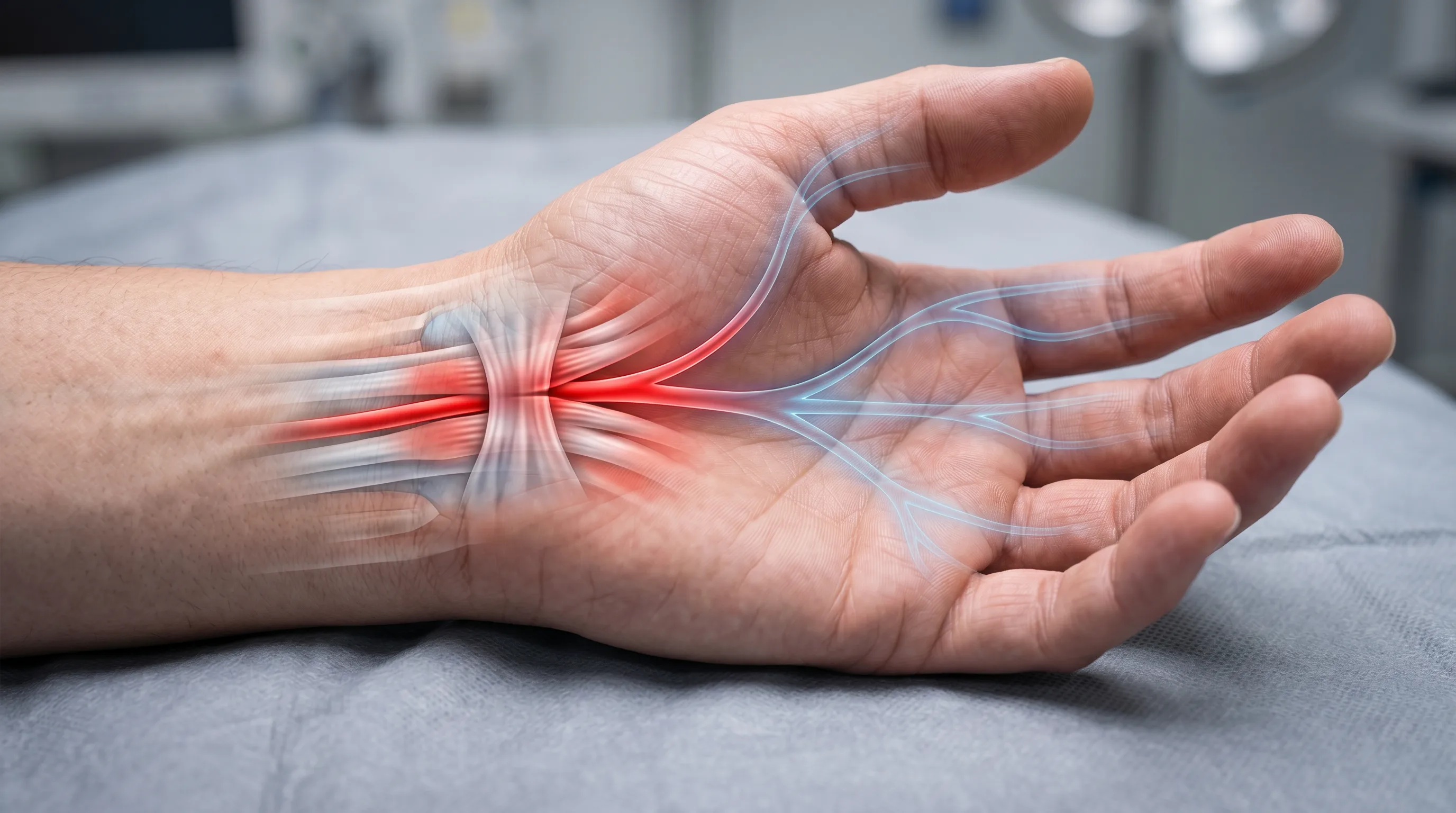
Do You Suffer With Neuropathy?
Peripheral neuropathy is one of the most misunderstood and undertreated conditions in modern medicine. If you're living with burning or shooting pain in your feet, numbness or tingling in your hands, difficulty walking or maintaining balance, dropping things unexpectedly, or waking up at night because of pain — you are not alone. More than 20 million Americans suffer from peripheral neuropathy, and the vast majority are told there is nothing that can be done beyond medication management.
Most physicians prescribe Neurontin (gabapentin) or Lyrica (pregabalin) to manage neuropathy symptoms. These drugs can temporarily reduce pain perception, but they do nothing to heal the underlying nerve damage. While you're taking them, your nerves continue to deteriorate — and the side effects (cognitive fog, weight gain, dependency, dizziness) compound your suffering. The nerve damage does not stop; it progresses.
At Central Illinois Spine, we take a fundamentally different approach. Instead of masking your symptoms, our 4-step neuropathy protocol is designed to address the root cause of your nerve damage: insufficient blood flow, inflammation, metabolic dysfunction, and sensory nerve deterioration. We work to create the physiological conditions your nerves need to actually heal.
The 4-Step Neuropathy Protocol
Our comprehensive neuropathy program is built around four evidence-informed therapeutic steps that work together to reverse the cycle of nerve damage. Each step addresses a distinct mechanism of peripheral nerve dysfunction:
Increase Blood Flow
Damaged peripheral nerves receive inadequate blood supply — this is the primary reason they deteriorate and why symptoms worsen over time. Step one uses advanced nerve stimulation therapy to dilate the microvascular vessels that supply blood to the nerve fibers in your extremities. By restoring circulation to oxygen-deprived nerve tissue, we interrupt the cycle of progressive nerve damage and create the essential foundation that all other therapeutic steps build upon. Without restored blood flow, nerve healing cannot occur regardless of what other treatments are applied.
Stimulate Small Fiber Nerves
Peripheral neuropathy primarily damages the small sensory nerve fibers responsible for temperature sensation, light touch, and pain — the very fibers that produce the burning, tingling, and numbness you experience daily. Step two applies precisely calibrated frequency-specific electrical stimulation that directly targets these small fiber sensory nerves. This specialized stimulation is fundamentally different from conventional TENS therapy; it is calibrated to the specific frequencies that activate small fiber nerve regeneration and re-establish normal sensory signaling pathways between your extremities and your central nervous system.
Decrease Brain-Based Pain
Long-term neuropathy does not just damage peripheral nerves — it also rewires the brain's pain-processing centers in a phenomenon called central sensitization. Over time, your brain becomes hypersensitive, amplifying pain signals even when peripheral nerve damage is improving. Step three uses specialized therapeutic light therapy (photobiomodulation) to modulate the central nervous system's pain amplification circuits. This targeted approach reduces the brain's overactive pain response, producing meaningful reductions in perceived pain that complement the peripheral nerve healing occurring through steps one and two.
Rebuild & Regenerate
Peripheral nerves require specific nutritional building blocks and metabolic conditions to regenerate myelin sheath and axonal tissue. Step four focuses on optimizing the metabolic environment for nerve repair through targeted nutritional support, metabolic assessment, and individualized supplementation guidance. Deficiencies in B vitamins (B1, B6, B12), alpha-lipoic acid, magnesium, and other key nutrients directly impair the body's ability to rebuild nerve tissue — and many neuropathy patients have measurable deficiencies. By addressing these metabolic gaps alongside physical therapy, we give your nerves the raw materials they need to complete the healing process initiated by steps one through three.
Neuropathy Symptoms We Treat
Our 4-step protocol addresses the full spectrum of peripheral neuropathy symptoms. Patients come to us experiencing:
Who Gets Peripheral Neuropathy?
Peripheral neuropathy has many causes. At Central Illinois Spine, we treat patients whose nerve damage stems from a variety of underlying conditions:
Diabetic Neuropathy
The most common form of peripheral neuropathy, caused by chronically elevated blood sugar damaging small blood vessels that supply the nerves. Diabetic neuropathy typically begins in the feet and progresses upward.
Chemotherapy-Induced Neuropathy
Many chemotherapy agents are directly toxic to peripheral nerve fibers. CIPN (chemotherapy-induced peripheral neuropathy) can persist long after cancer treatment ends and significantly impact quality of life.
Idiopathic Neuropathy
In roughly one-third of neuropathy cases, no identifiable cause is found. These patients are told "we don't know why you have this" — but unknown cause does not mean untreatable. Our protocol addresses the nerve damage directly regardless of etiology.
Vitamin Deficiency Neuropathy
Deficiencies in B12, B1 (thiamine), B6, folate, and vitamin E are established causes of peripheral nerve damage. This is especially common in patients on long-term metformin or those with malabsorption conditions.
Alcoholic Neuropathy
Chronic alcohol use damages peripheral nerves both through direct toxic effects and through the nutritional deficiencies associated with heavy alcohol consumption. Our protocol addresses both the neural damage and nutritional components.
Nerve Compression Neuropathy
Chronic compression from tarsal tunnel syndrome, piriformis syndrome, spinal stenosis, or other structural issues can produce neuropathic symptoms that worsen over time. Addressing the compression alongside nerve healing produces optimal results.
Why Not Just Take Medication?
We understand the appeal of a pill that reduces your pain. Gabapentin (Neurontin) and pregabalin (Lyrica) are widely prescribed for neuropathy — and they do reduce pain perception. But there are critical limitations that every neuropathy patient deserves to understand.
These medications work by suppressing nerve signal transmission in your brain — they literally reduce your brain's ability to process signals. They do not repair damaged nerves, restore blood flow, improve myelin integrity, or address any root cause of neuropathy. While you take them, your nerve damage continues to progress silently. Meanwhile, common side effects include significant cognitive impairment ("brain fog"), weight gain of 10–30 lbs, balance problems that worsen fall risk, and physical dependency that makes stopping the medication difficult. Many patients find themselves on escalating doses as their neuropathy worsens despite treatment.
Our protocol targets the underlying pathophysiology of peripheral nerve damage. For patients who want more than symptom suppression — who want to actually address what's happening to their nerves — a complimentary consultation at Central Illinois Spine is the right next step.
What to Expect: Your Neuropathy Program
Complimentary Initial Consultation
Your first visit is a no-obligation consultation to review your history, medications, prior diagnoses, and symptom pattern. We'll determine whether you are a strong candidate for our protocol and explain what results are realistically achievable for your case.
Comprehensive Nerve Evaluation
Your formal evaluation includes neurological examination, sensory testing, balance and proprioception assessment, and review of available lab work and imaging. This baseline data guides your customized protocol and provides a benchmark against which we measure your progress.
Customized 4-Step Protocol
Based on your evaluation findings, your provider designs your individualized treatment plan: specific device settings, session frequency, nutritional recommendations, and home care instructions. No two neuropathy programs are identical — your protocol is built specifically for your nerve damage pattern and health profile.
6–12 Week Treatment Program
Active treatment runs 6–12 weeks with sessions 2–3 times per week. Progress is tracked using objective neurological measures at regular intervals. At program completion, you receive a home maintenance plan and dietary guidelines to protect and extend your gains.
Ready to Take the First Step?
We offer a complimentary neuropathy consultation to evaluate your symptoms and determine whether our protocol is right for you. You can get started by completing our Neuropathy Intake Form online or by calling our office directly.