
Understanding Shoulder Pain
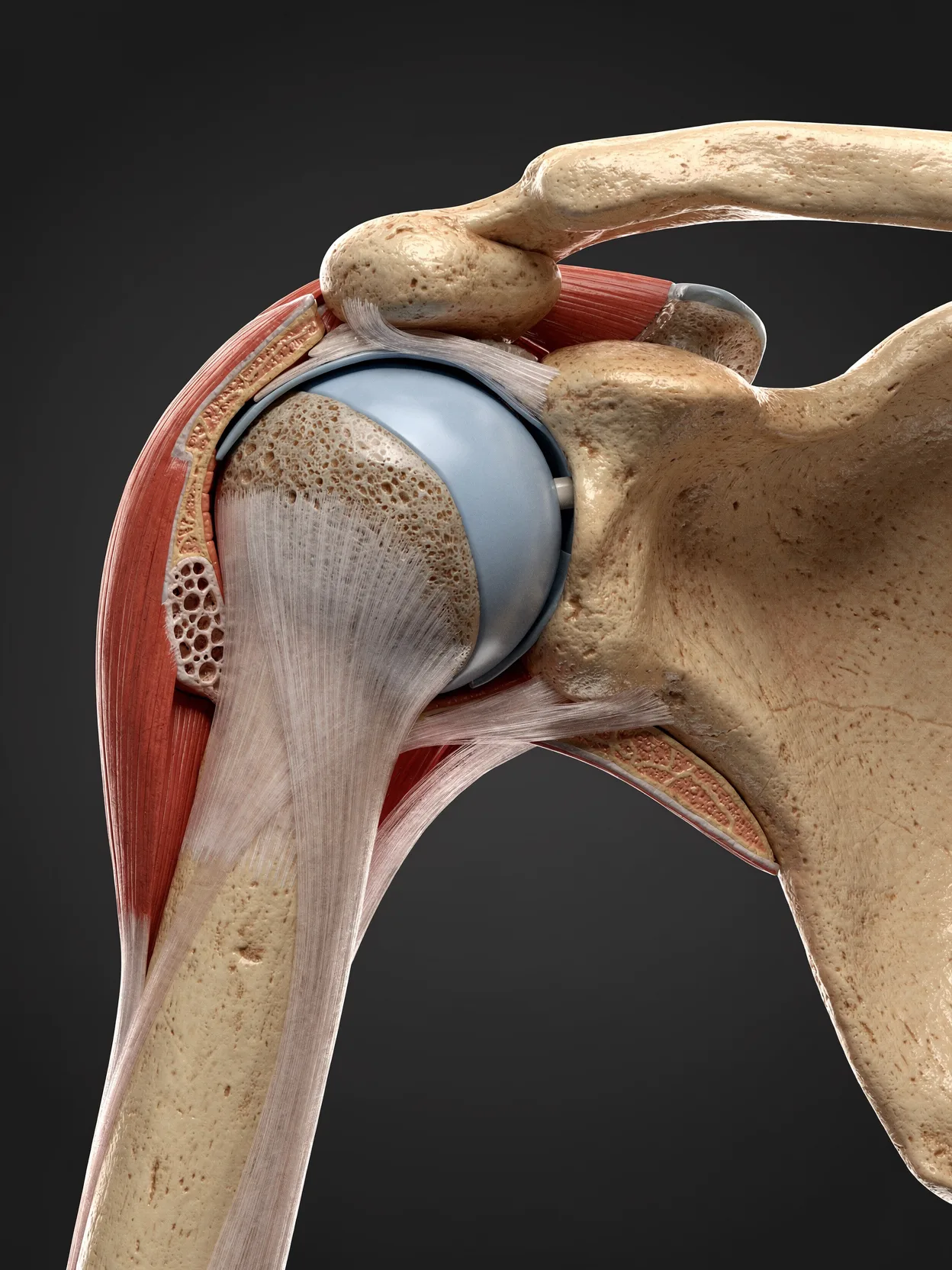
The shoulder is the most mobile joint in the human body — a ball-and-socket design that allows you to reach overhead, throw, lift, and rotate your arm in nearly every direction. That extraordinary range of motion comes with a trade-off: the shoulder is also one of the most vulnerable joints to injury and dysfunction. Unlike the hip, which is a deep, stable socket, the shoulder's socket (the glenoid) is shallow, relying heavily on muscles, tendons, and ligaments to keep the ball (the humeral head) centered and moving correctly.
The four muscles of the rotator cuff — the supraspinatus, infraspinatus, teres minor, and subscapularis — are the primary stabilizers of the shoulder joint. They work together to keep the humeral head seated in the glenoid during all arm movements and to generate the rotational force needed for daily activities. When any of these muscles or their tendons are strained, torn, or inflamed, shoulder function deteriorates rapidly and pain can become severe.
Shoulder impingement syndrome occurs when the rotator cuff tendons, most commonly the supraspinatus, are repeatedly compressed between the humeral head and the bony roof of the shoulder (the acromion) during arm elevation. This mechanical pinching causes tendon irritation, inflammation, and eventually degeneration if left unaddressed. Impingement is among the most common causes of shoulder pain we see at Central Illinois Spine.
Frozen shoulder, or adhesive capsulitis, develops when the joint capsule surrounding the shoulder becomes inflamed and thickened, leading to the formation of scar-like adhesions that progressively restrict range of motion. Frozen shoulder typically progresses through three stages — freezing, frozen, and thawing — and can take 12 to 24 months to fully resolve without treatment. With appropriate chiropractic and physical therapy intervention, recovery can be significantly accelerated.
Acromioclavicular (AC) joint dysfunction affects the joint at the top of the shoulder where the clavicle meets the acromion. AC joint injuries are common in athletes and after falls, and they cause localized pain at the top of the shoulder that worsens with overhead and cross-body movements.
An often-overlooked but critical factor in shoulder pain is the cervical spine connection. The C5 and C6 nerve roots exit the neck and travel into the shoulder and upper arm. Disc herniations, bone spurs, or facet joint dysfunction at these levels can produce referred shoulder pain, weakness, and numbness that closely mimic true shoulder pathology. Thoracic outlet syndrome — compression of the nerves and vessels between the collarbone and first rib — can also manifest as shoulder and arm pain. A comprehensive evaluation that assesses both the shoulder and the cervical spine is essential for accurate diagnosis and effective treatment.
Common Shoulder Conditions We Treat
Central Illinois Spine evaluates and treats a wide range of shoulder conditions, including:
- Rotator cuff strain and partial tears — overuse or acute injury to one or more rotator cuff tendons, causing pain, weakness, and difficulty lifting the arm
- Shoulder impingement syndrome — pinching of the rotator cuff tendons under the acromion with overhead movements
- Frozen shoulder (adhesive capsulitis) — progressive stiffness and pain due to capsular thickening and adhesion formation
- Shoulder bursitis — inflammation of the subacromial bursa, the fluid-filled sac that cushions the rotator cuff tendons
- AC joint separation and dysfunction — injury or degeneration at the acromioclavicular joint
- Referred pain from the cervical spine — shoulder and arm pain originating from C5-C6 nerve root irritation or compression
- Thoracic outlet syndrome — neurovascular compression between the clavicle and first rib producing shoulder, arm, and hand symptoms
How We Treat Shoulder Pain
Effective shoulder pain treatment at Central Illinois Spine begins with a thorough evaluation — including orthopedic and neurological testing, range of motion assessment, and digital X-ray imaging — to identify whether the source is the shoulder joint, the cervical or thoracic spine, or a combination of both. Treatment is then tailored precisely to your diagnosis.
Chiropractic adjustments are a cornerstone of shoulder pain treatment at our clinic. We adjust not only the shoulder joint itself — the glenohumeral and acromioclavicular joints — but also the cervical and thoracic spine when restricted mobility there is contributing to altered shoulder mechanics. Restoring proper joint motion reduces nerve irritation, decreases muscle guarding, and allows the rotator cuff to function more efficiently. Patients with combined neck-and-shoulder presentations frequently notice improvement in both areas simultaneously.
Physical therapy is integrated into virtually every shoulder care plan. Our therapists guide you through a progressive program targeting rotator cuff strengthening — particularly the external rotators and subscapularis — along with restoration of full range of motion and scapular stabilization. A properly functioning scapula is the foundation of healthy shoulder mechanics; weakness in the lower trapezius and serratus anterior muscles is a common and underappreciated driver of impingement and rotator cuff overload. We address these deficits directly with targeted therapeutic exercise.
Class IV laser therapy is particularly effective for shoulder conditions involving bursitis and tendinopathy. By delivering photobiomodulation energy deep into the tissue, laser therapy accelerates cellular repair, reduces inflammatory mediators, and provides meaningful pain relief — often allowing patients to progress through rehabilitation more comfortably and quickly.
Soft tissue therapy, including instrument-assisted soft tissue mobilization and trigger point release, addresses the myofascial restrictions in the rotator cuff, posterior capsule, and periscapular muscles that perpetuate shoulder dysfunction. Breaking up these adhesions restores tissue extensibility and improves the shoulder's response to both chiropractic and exercise-based interventions.
When to Seek Care
Most shoulder pain — including rotator cuff strains, impingement, frozen shoulder, and bursitis — responds very well to conservative chiropractic and physical therapy care. You do not need to wait until the pain becomes severe or a surgeon tells you surgery is necessary. Early intervention produces better outcomes, shorter treatment courses, and lower overall costs.
However, certain findings warrant consideration of orthopedic referral. A full-thickness rotator cuff tear — particularly in a younger, active patient — may ultimately require surgical repair, and we will advise you honestly when that threshold is reached based on your clinical presentation and imaging. We work collaboratively with orthopedic specialists in the Bloomington-Normal area and can coordinate a referral seamlessly when conservative care is not the right path.
Seek emergency care if shoulder pain follows significant trauma with visible deformity, is accompanied by severe chest pain (which may indicate cardiac involvement), or if you develop sudden, complete inability to lift the arm combined with acute pain that suggests a massive rotator cuff rupture.
Central Illinois Spine's providers bring decades of combined experience treating shoulder conditions. What sets us apart is our commitment to evaluating the whole patient — not just the painful shoulder, but the cervical spine, thoracic spine, and biomechanical patterns that contribute to shoulder dysfunction. This integrated approach consistently produces better results than treating the shoulder in isolation, and it is the reason patients from across McLean County choose us for shoulder pain care.